
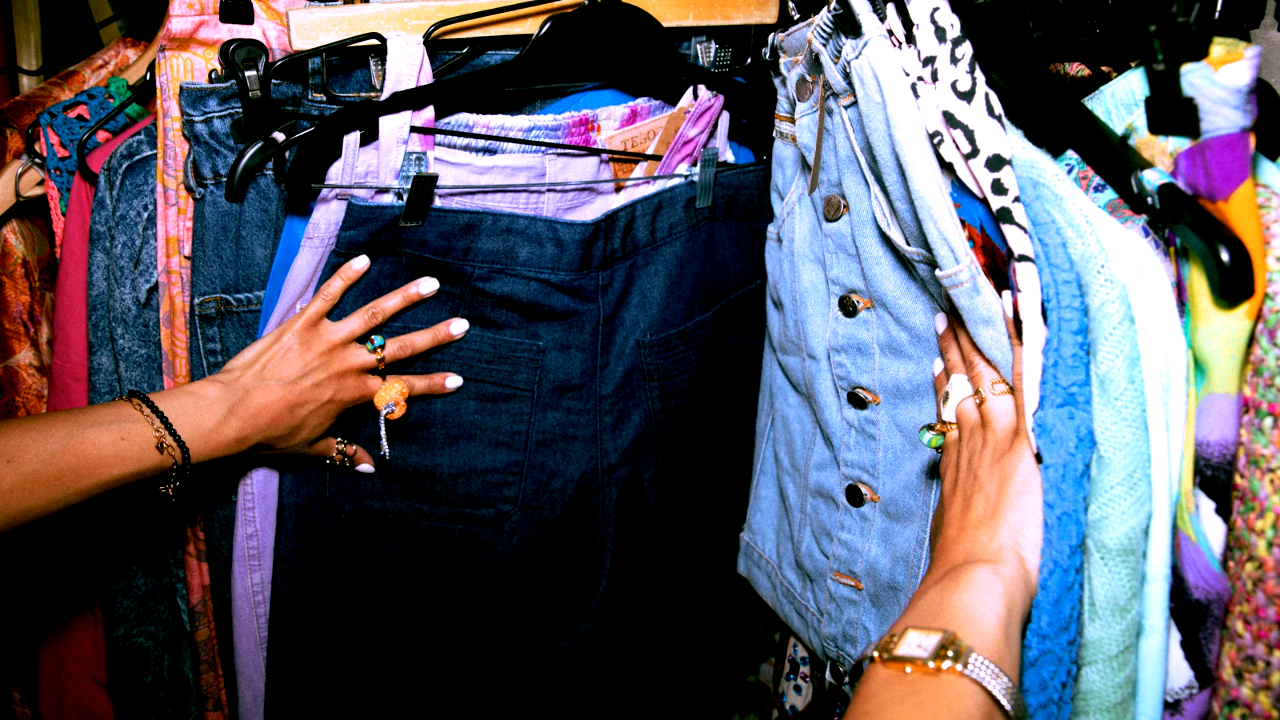
The Ultimate Guide to Finding Vintage Clothing Online
Are you wondering how to find authentic vintage clothing online? Look no further! In this comprehensive guide, we’ll walk you through everything you need to know about sourcing genuine vintage pieces from the comfort of your home.
Vintage clothing holds a unique allure, offering a glimpse into different eras and styles while adding character and charm to your wardrobe. Whether you’re a seasoned vintage enthusiast or just dipping your toes into the world of retro fashion, shopping for vintage clothing online can be both exciting and daunting.
With countless online platforms and sellers claiming to offer authentic vintage pieces, it’s essential to know where to look and how to discern genuine finds from mass-produced replicas.
Understanding Vintage Clothing
Before diving into the world of online vintage shopping, it’s crucial to understand what constitutes true vintage clothing.
Generally, vintage refers to garments that are at least 20 years old, reflecting the styles, fabrics, and craftsmanship of a bygone era.
However, within the realm of vintage fashion, there are subcategories such as retro (new clothing designed to mimic vintage styles) and thrifted (second-hand clothing of varying ages).
Researching Online Platforms
When embarking on your vintage clothing journey, start by researching reputable online platforms known for their curated selection of authentic vintage pieces.
Websites like Etsy, Depop, and eBay host a plethora of vintage sellers offering everything from 1920s flapper dresses to 1990s grunge apparel.
Specialized vintage clothing websites and marketplaces cater to specific eras or styles, making it easier to narrow down your search.
Key Factors to Consider
- Seller Reputation: Look for sellers with positive reviews and a track record of selling authentic vintage items. Read customer feedback and ratings to gauge the seller’s credibility.
- Detailed Descriptions and Photos: Pay close attention to item descriptions and photos provided by the seller. Look for signs of wear, original tags or labels, and close-up shots of any unique features or flaws.
- Authenticity Guarantees: Some sellers may offer authenticity guarantees or certificates of authenticity for high-value vintage pieces. Be wary of sellers who cannot provide verification of the item’s authenticity.
- Price vs. Value: While vintage clothing can come with a higher price tag, consider the item’s condition, rarity, and historical significance when evaluating its value. A well-preserved, rare piece may be worth the investment compared to a mass-produced replica.
Conclusion
S